
Planning an office and warehouse move in Toronto requires experience and detailed coordination.
Relocating an office in Toronto and the Greater Toronto Area (GTA) is a complex process that requires careful planning, coordination, and a professional approach. Unlike residential moves, office relocations involve employees, equipment, strict timelines, and business continuity.
A poorly organized office move can lead to downtime, loss of productivity, delays, and unexpected expenses. That’s why it’s essential to understand how office moving in Toronto works, what affects the cost, and how to properly prepare.
In this complete guide, we’ll cover key stages of office relocation, pricing factors, common challenges, professional packing, IT equipment handling, warehouse moving, and practical tips to ensure a smooth transition.
Why Office Moving Requires a Professional Approach.
Office moving is not just about transporting furniture — it’s about relocating an entire business operation.
Key challenges include:
Even small mistakes during an office move can impact operations, timelines, and customer service.
- minimizing business downtime
- protecting valuable and sensitive equipment
- organizing departments and workspaces
- handling IT infrastructure
- meeting strict deadlines
- coordinating employees
- complying with building regulations
Even small mistakes during an office move can impact operations, timelines, and customer service.
What Affects Office Moving Costs in Toronto.
Office moving costs in Toronto and the GTA depend on several key factors. Understanding them helps businesses plan budgets and avoid unexpected expenses.
1. Office Size and Number of Workstations
The larger the office, the more time, labor, and coordination are required.
For example:
- small offices may take only a few hours
- mid-size offices often require a full day
- large offices may take multiple days
The number of departments, rooms, and workstations also plays a role.
2. Equipment and IT Infrastructure
Modern offices include a wide range of equipment:
- computers and monitors
- servers
- network systems
- printers
- telecommunication systems
- specialized equipment
These require:
- careful disconnection
- cable labeling
- protective packing
- safe transportation
- proper setup at the new location
The more complex the IT infrastructure, the higher the cost and responsibility.
3. Furniture and Disassembly Complexity
Office furniture often requires disassembly and reassembly.
This includes:
- desks
- conference tables
- chairs
- cabinets
- cubicles
- storage systems
- reception desks
The more complex the furniture, the more time and labor are required.
4. Distance and Logistics
Costs depend on the distance between locations.
Other factors include:
- travel time
- Toronto traffic
- accessibility
- parking availability
Even local moves can take longer due to logistics.
5. Timing and Moving Date
Many businesses prefer evening or weekend moves to avoid downtime.
However, these may cost more — especially:
- weekends
- evenings
- end of month
- peak season (summer)
6. Building Access and Conditions
This is one of the most underestimated factors.
Costs can be affected by:
- elevator availability
- elevator booking requirements
- limited access hours
- lack of loading dock
- long carrying distances
- building rules
- parking restrictions
Difficult access increases time and cost.
7. Truck and Transportation Fees
Some companies charge a one-time truck fee for using the truck during the move.
Others include this in higher hourly rates.
It’s important to clarify:
- whether this fee applies
- whether it’s included in the price
8. Packing and Materials
Professional packing may be included or charged separately.
Common materials include:
- stretch wrap
- bubble wrap
- moving blankets
- boxes
- heavy-duty tape
Proper packing:
- protects equipment
- reduces damage risk
- speeds up the process
9. Additional Services
Some services require extra time and cost:
- furniture disassembly and assembly
- IT handling
- moving heavy items
- packing documents
- warehouse equipment handling
Especially important:
👉 Racking systems disassembly and reassembly
10. Team Efficiency and Experience
Professional movers work faster and more efficiently.
Non-professionals may:
- work slower
- make mistakes
- damage items
- increase total cost
Hidden Cost: Business Downtime.
One of the most important factors is downtime.
Even a few hours of downtime can result in:
- lost revenue
- project delays
- operational disruption
- client dissatisfaction
Professional movers help minimize downtime through efficient planning.
Step-by-Step Office Moving Plan.
A well-structured plan helps reduce downtime and avoid confusion.
1. Start Planning Early
Begin planning at least 4–8 weeks in advance.
This includes:
- setting a moving date
- estimating workload
- understanding building rules
- contacting a moving company
2. Assign a Move Coordinator
One person should oversee the entire process.
Responsibilities include:
- communication with movers
- scheduling
- coordinating employees
- overseeing packing
3. Create a Full Inventory List
Include:
- furniture
- equipment
- documents
- storage systems
- warehouse items
This helps avoid losses and plan efficiently.
4. Declutter Before Moving
Reduce unnecessary items:
- old furniture
- broken equipment
- unused documents
This saves time and money.
5. Plan Packing and Labeling
Every item should be labeled clearly:
- department
- employee
- destination room
Proper labeling saves time during setup.
6. Prepare IT Infrastructure
Important steps:
- back up all data
- label cables
- document connections
- plan setup
7. Prepare Workspaces
Employees should:
- clear desks
- pack personal items
- organize documents
8. Confirm Building Access
Check:
- elevator booking
- loading dock
- parking
- building rules
9. Schedule the Move Strategically
Best times:
- evenings
- weekends
- low-activity periods
10. Supervise on Moving Day
Ensure:
- process control
- coordination
- problem-solving
11. Set Up at the New Location
After the move:
- install furniture
- reconnect equipment
- test systems
- restore operations
Professional Packing for Office Moves.
Professional packing protects business assets.
In addition, proper packing materials protect furniture and equipment from damage during transportation.
Materials include:
- stretch wrap
- bubble wrap
- moving blankets
- strong tape
- commercial-grade boxes
IT Equipment Handling.
Important:
- data backup
- cable labeling
- safe disconnection
- proper setup
Warehouse and Commercial Moving.
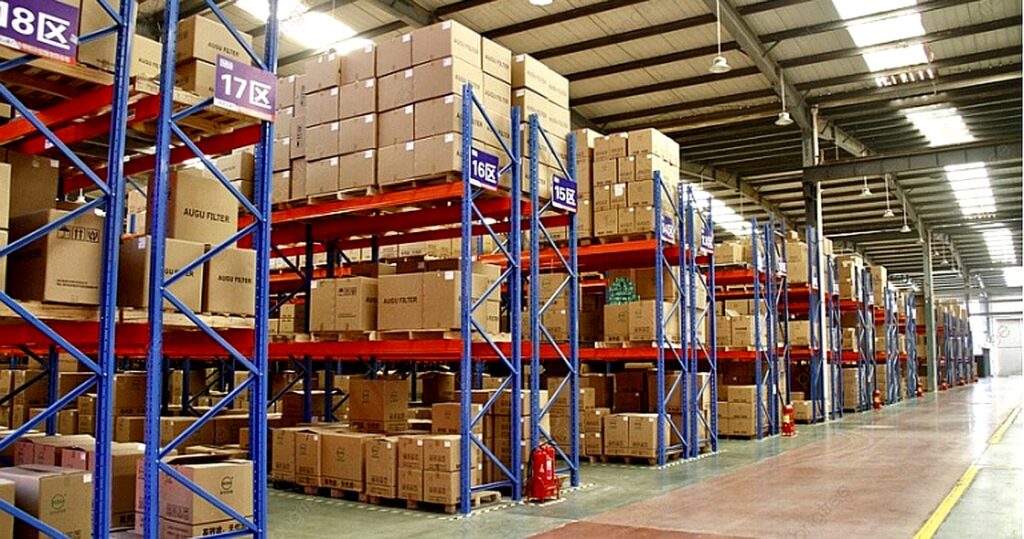
Many office moves include warehouse operations.
Services include:
- warehouse relocation of any complexity
- inventory moving
- logistics coordination
- equipment transportation
Racking Systems Disassembly and Assembly
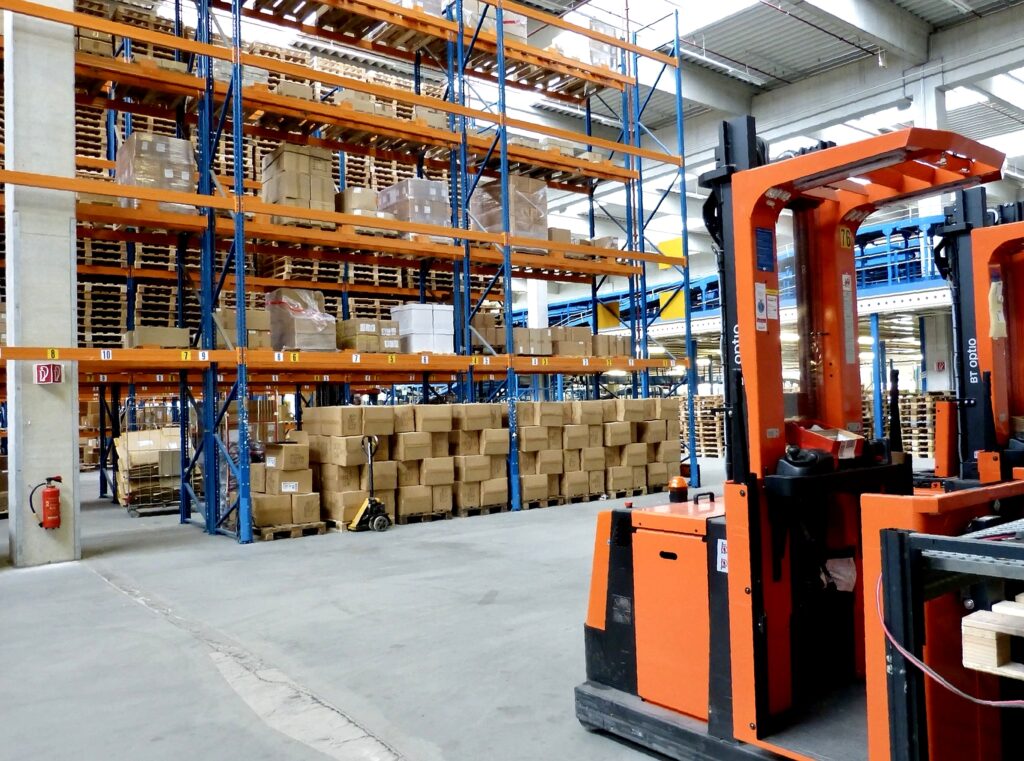
Includes:
- safe dismantling
- labeling
- transportation
- precise reassembly
Why Cheap Non-Professional Movers Can Cost More.
Some people offer very low prices but are not professional movers.
However, choosing the cheapest option can lead to unexpected problems and additional costs.
This can lead to:
- damaged equipment
- delays
- poor organization
- increased downtime
- higher overall costs
Common Office Moving Challenges.
- limited access
- tight deadlines
- fragile equipment
- complex logistics
- parking issues
Real Example.
A company hired non-professionals to save money.
Also, hiring professional movers helps reduce stress and save time during an office relocation.
Result:
- damaged furniture
- delays
- disorganization
- additional costs
Checklist for a Successful Office Move.
✔ plan early
✔ assign a coordinator
✔ create inventory
✔ label everything
✔ back up data
✔ confirm building access
✔ hire professionals
Final Thoughts.
Office moving in Toronto requires planning, organization, and expertise.
As a result, careful planning ensures a smooth and efficient moving process.
A professional team helps:
- reduce downtime
- protect assets
- ensure a smooth transition
Need Professional Office Movers in Toronto?
We offer:
- office and commercial moving
- warehouse moving services
- furniture disassembly and assembly
- racking systems setup
- packing services
- safe equipment handling
- transparent pricing
👉 https://menspowermovers.ca
📞 Contact us for a free quote
For official guidelines, you can refer to the Government of Canada website.